Blogs
NGEF Energy Efficient Motors
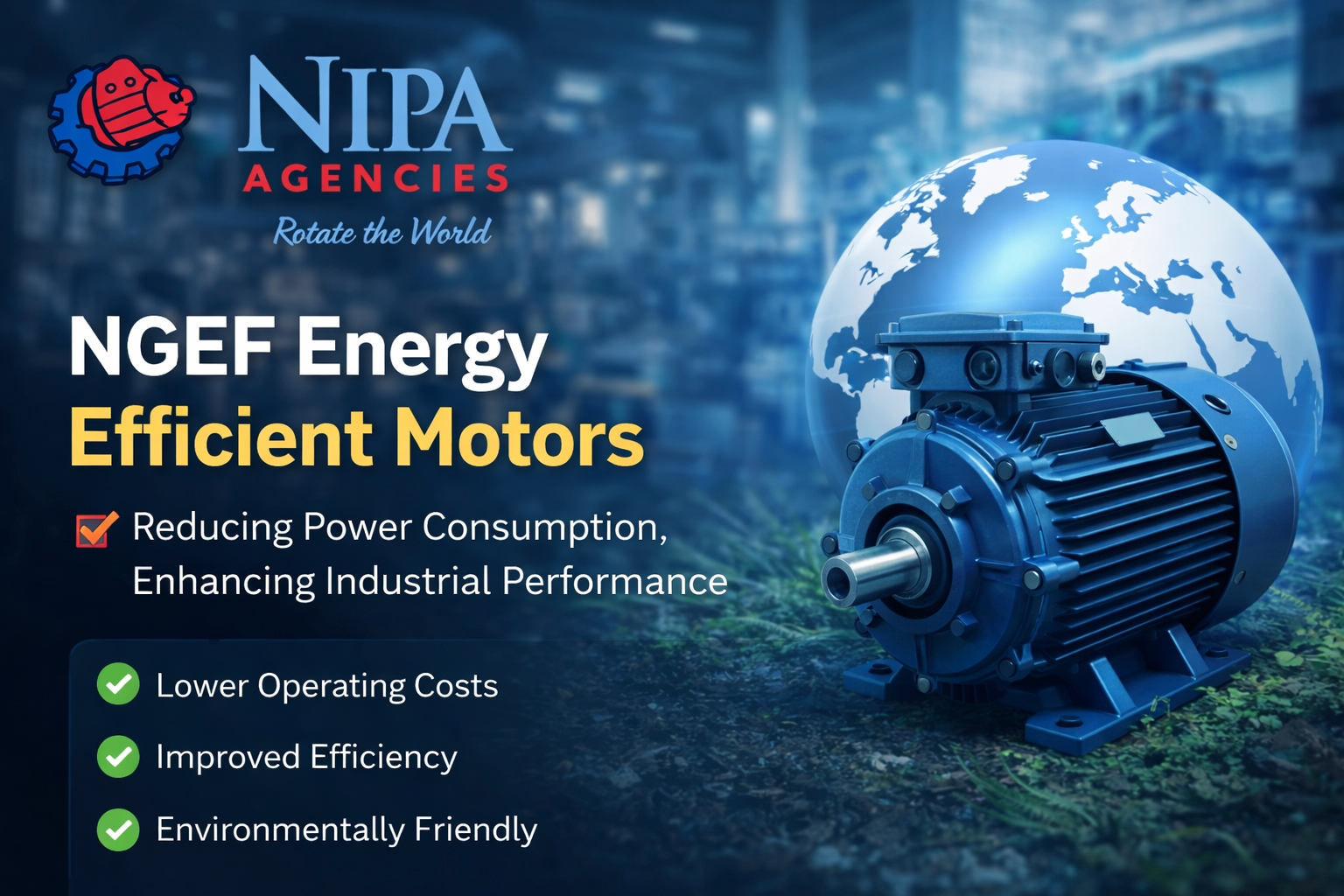
NGEF Energy Efficient Motors
NGEF energy efficient motors are designed to deliver consistent industrial performance while minimizing power consumption. In modern industries, where operational efficiency and energy management are critical, these motors play a key role in reducing electricity usage and improving overall system reliability. They are engineered to reduce losses such as heat generation, friction, and electrical resistance, ensuring better output with lower energy input.
Industries are increasingly shifting toward energy-efficient motor solutions due to rising energy costs and the growing need for sustainable operations. These motors help organizations maintain productivity while aligning with long-term energy-saving objectives.
Understanding the Importance of Energy Efficient Motors
Energy efficient motors are not limited to saving electricity; they also enhance operational stability and reduce maintenance requirements. Conventional motors often consume excess power due to inefficiencies in design and materials. In contrast, energy efficient motors are built with optimized components that improve performance while minimizing energy loss.
They are especially valuable in industries where motors operate continuously for long hours. Even a small improvement in efficiency can lead to significant cost savings over time. Additionally, these motors help reduce carbon emissions, making them a preferred choice for environmentally responsible operations.
How NGEF Energy Efficient Motors Work
NGEF energy efficient motors are developed using advanced engineering techniques that minimize internal losses and improve energy conversion. These motors incorporate high-quality materials, improved winding methods, and enhanced insulation systems to deliver reliable performance.
While the working principle remains similar to standard electric motors, the key difference lies in design optimization. These motors reduce energy loss during operation, allowing more input power to be converted into useful mechanical output. This results in higher efficiency and consistent performance.
Key Design Features That Improve Efficiency
NGEF energy efficient motors include several design enhancements that support superior performance and long-term durability. These features focus on minimizing energy loss and maintaining stable operation:
- High-grade electrical steel laminations to reduce core losses
- Precision-balanced rotors for smoother operation
- Improved copper windings for enhanced conductivity
- Advanced insulation systems for better thermal stability
- Optimized bearings to reduce friction
These features ensure efficient operation even under demanding industrial conditions.
Applications of NGEF Energy Efficient Motors
NGEF energy efficient motors are widely used across industries that require reliable and continuous operation. Their consistent performance makes them suitable for a variety of industrial applications:
- Manufacturing and production lines
- Pumps and compressors
- Conveyor systems
- Textile machinery
- Chemical processing units
- Material handling equipment
They are particularly effective in applications where energy consumption directly impacts operational costs.
Benefits of Using NGEF Energy Efficient Motors
The use of energy efficient motors offers multiple operational advantages beyond energy savings. These benefits make them a practical investment for industrial environments:
- Reduced electricity consumption and operating costs
- Extended motor lifespan due to lower heat generation
- Stable performance under varying load conditions
- Lower maintenance requirements
- Improved system reliability
- Support for sustainable and eco-friendly operations
These advantages help industries maintain efficiency while minimizing long-term risks.
Factors to Consider When Selecting Energy Efficient Motors
Selecting the right motor is essential to achieve optimal performance and efficiency. Several key factors should be evaluated before making a decision:
- Load requirements and operating conditions
- Efficiency ratings and energy performance standards
- Compatibility with existing systems
- Environmental conditions such as temperature and dust levels
- Availability of maintenance and service support
Careful selection ensures reliable performance and maximum energy savings.
Role of Energy Efficiency in Industrial Growth
Energy efficiency has become a critical factor in modern industrial development. As industries expand, the demand for power increases, making it essential to optimize energy usage. Energy efficient motors support this goal by reducing power consumption without compromising productivity.
They also assist in meeting energy regulations and sustainability targets. By adopting efficient motor solutions, industries can improve operational performance while reducing their environmental footprint.
Maintenance and Performance Optimization
Proper maintenance plays a key role in ensuring the long-term efficiency of energy efficient motors. Regular inspections and timely servicing help maintain performance and prevent unexpected failures.
Routine checks such as lubrication, alignment, and monitoring of electrical parameters can significantly enhance motor efficiency. Maintaining proper ventilation and avoiding overloading are also important for sustained performance.
Common Challenges and Solutions
Although energy efficient motors offer several advantages, certain challenges may arise during installation and operation. These can be effectively managed with proper planning and technical expertise.
Incorrect sizing or improper installation can impact performance. Similarly, inadequate maintenance may reduce efficiency over time. Addressing these issues through correct selection, professional installation, and regular monitoring helps ensure optimal operation.
Future of Energy Efficient Motors
The demand for energy efficient motors is expected to grow as industries increasingly focus on sustainability and cost optimization. Ongoing technological advancements are further improving motor efficiency, making them more reliable and adaptable to modern industrial needs.
With rising awareness of energy conservation, these motors will continue to play an important role in building efficient industrial systems. Their ability to balance performance with energy savings makes them a key component of future-ready infrastructure.