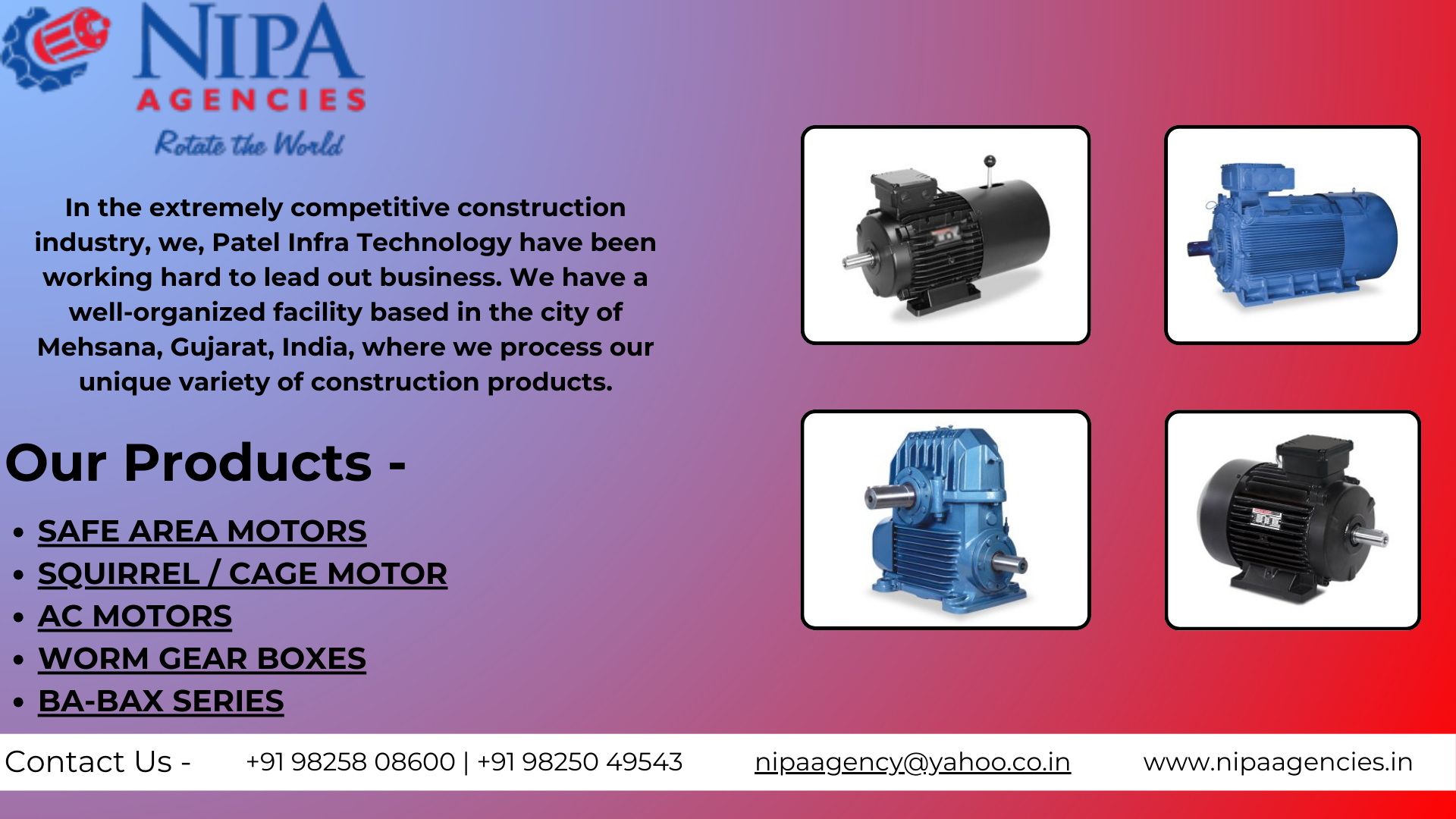
Searching for an NGEF motor manufacturer-focused supplier page? This guide explains how supplier and channel partners support NGEF motor requirements for OEMs, EPC projects, utilities, and process plants. From requirement mapping to documentation, dispatch coordination, and site-ready assistance, learn what to expect when sourcing industrial motors for pumping, ventilation, material handling, compressors, and general-purpose drives. The goal is simple: correct selection, compliant paperwork, and dependable execution.
Description
A reliable NGEF motor supply workflow starts with application data: kW or HP, voltage, duty, mounting, frame, speed, enclosure, insulation class, ambient conditions, and load profile. Supplier teams translate this into a suitable motor specification, align accessories and protections, and prepare a clear techno-commercial offer with drawings, datasheets, and test documentation where required. Post order, coordination covers packaging, dispatch planning, installation readiness, and service support with a structured handover. This page highlights roles, selection inputs, and a checklist used by supplier organisations to deliver consistent outcomes.
Compliance Documentation: datasheets, test reports, packing lists, delivery records
Benefits
Why a structured supplier matters
Lower mismatch risk through verified selection inputs
Cleaner documentation packs for audits and project handovers
Faster dispatch readiness with coordinated packaging and logistics
Service-friendly handovers for smoother installation and uptime
Key Highlights
4 Points
Selection accuracy
Application-based sizing and configuration to match duty, mounting, enclosure, and site conditions.
Documentation readiness
Datasheets, packing details, delivery documents, and test records aligned to project needs.
Project coordination
Clear handovers from RFQ to dispatch, with milestones that reduce last-minute delays.
Service-friendly support
Installation guidance, troubleshooting routing, and structured after-dispatch assistance.
Selection Checklist for NGEF Motors
Before finalising a motor, confirm power, voltage, frequency, speed, duty cycle, load type, starting method, and ambient conditions. Validate enclosure requirements and mounting arrangement. For critical applications, align testing expectations and documentation. Use a simple data sheet with site constraints, cable routing, space availability, and protection scheme. A clear checklist reduces mismatches, avoids rework, and supports smoother installation and commissioning outcomes.
What Supplier Teams Validate
Inputs that reduce delays and rework
Inputs Required
Power rating, voltage, speed, duty, insulation class, ambient temperature.
Mounting, frame constraints, coupling or pulley details, space limitations.
Load profile: constant torque, variable torque, starting and acceleration needs.
Protection scheme: MCC/VFD, overload settings, earthing and cable routing.
Dispatch Readiness
Documentation pack: datasheet, delivery note, packing list, test record if needed.
Packaging plan aligned to transit route and site unloading capability.
Site readiness: foundation, alignment tools, cable termination kit, safety permits.
Handover notes for installation and commissioning with contact escalation flow.
Note
NGEF motors are commonly used in industrial applications where duty alignment and documentation matter. Supplier-led execution focuses on correct specification capture, clean paperwork, and practical coordination for dispatch and installation readiness. Always match the motor selection to the application and site conditions for best performance and uptime.
FAQs
Common questions when sourcing NGEF motors through suppliers
Share power rating, voltage, speed, duty, mounting, enclosure, ambient conditions, and load profile along with starting method and site constraints.
Yes, structured supplier teams coordinate datasheets, delivery documents, packing details, and test records where specified, aligned to project checklists.
They are widely used for pumps, blowers, fans, conveyors, compressors, mixers, and general-purpose industrial drives across plant and utility environments.
Verify mounting and alignment needs, confirm cable and protection scheme, prepare a site checklist, and keep a clear handover note for start-up and checks.
They provide installation guidance, coordinate spares or inspection needs where applicable, and route issues using structured escalation with documentation support.
Conclusion
NGEF motor sourcing becomes reliable when selection inputs are complete, documents are aligned, and dispatch and installation readiness are coordinated. Use a clear checklist, share application data early, and choose supplier teams that prioritise compliant paperwork and service-friendly execution for consistent plant uptime.
Nipa Agencies — Contact
Authorised supply, documentation, and site support
Nipa Agencies
No. 18, Fortune Industrial Estate, Nr. Gangotri Estate, Opp. Panchratna Estate,
Ramol-Vatva Road, Vatva GIDC, Vatva, Ahmedabad-382449, Gujarat, India